Best Trouser Fabrics for Men [Dress Pants, Chinos & Jeans]
Fabric quality primarily determines whether trousers are comfortable or not.
Choosing the right trouser fabric boosts comfort, durability, and style. Each type, from dress pants to chinos and jeans, demands unique fabrics.
- The best dress pant fabrics are cotton and wool blends with polyester mix for easy ironing and a crisp look.
- For chinos, cotton twill is ideal, as it’s breathable and comfortable.
- Denim is the top choice for jeans to provide durability and a casual look.
In this blog, you will learn about the best trouser fabrics for men, ensuring you select the ideal materials for a truly impressive ensemble every time.

Let’s get started.
Table of contents:
Best Dress Pant Fabrics
Dress pants rely on structured, formal fabrics that prioritise wrinkle resistance, drape, and breathability for professional settings. The best options are Wool, Wool Blend and Cotton mix with Polyester.
Explore our full range of mens dress pants, led by City Club trousers, available in wool blend, cotton blend, microfibre, and corduroy, alongside Bracks for additional formal options.
1. Wool
Wool is a natural fibre that is mostly used to make dress pants because of its unique properties. Wool trousers give you the confidence to attend formal or professional occasions, making them a wardrobe staple for every man.
Common Blends: Worsted Wool, Wool/Mohair, Wool/Silk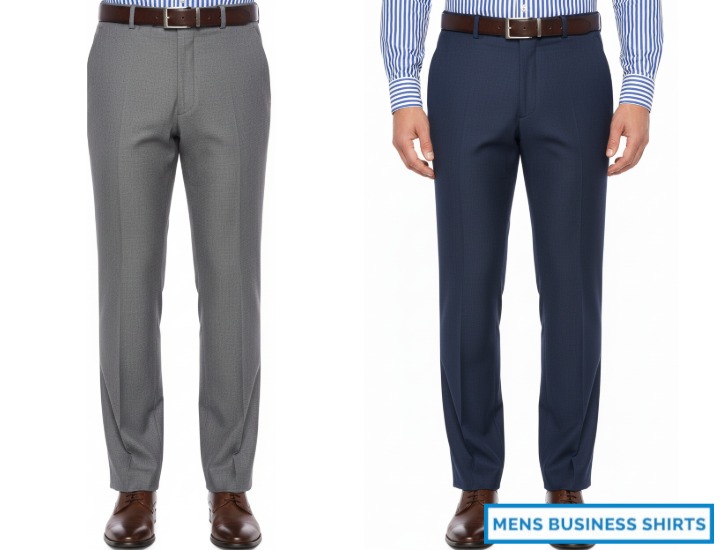
Why are Wool Pants essential?
- Wool dress pants offer excellent breathability, thermal insulation, wrinkle resistance, and good moisture-wicking properties, necessary for the colder months.
- These trousers are so versatile that they come in different weights and offer temperature-regulating properties, making them suitable for all year round.
- The natural drape of the wool trousers can instantly elevate your professional look, and the smooth texture of the pants holds the structure, thereby giving you a polished look.
- Wool trousers also resist fading and are highly durable, making them a long-term investment for men looking to build a high-quality wardrobe.
Cons of Wool Trousers
- High-quality wool trousers can be expensive when compared to cotton or cotton-blend trousers.
- Regular dry cleaning may be necessary.
Ideal for: Formal meetups, conferences, formal weddings, winter office wear, etc.
2. Wool Blend
Wool blend dress pants combine the natural performance of wool with the functional features of synthetic fibres. They are often blended with polyester and viscose to improve the performance of the trousers with a long-lasting polished appearance.
Common Blends: Wool/Polyester, Wool/Viscose
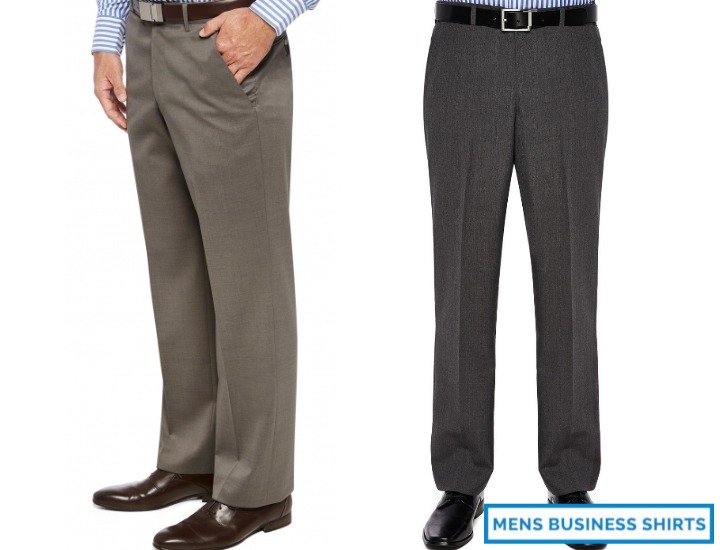 What are the unique features of Wool Blend Trousers?
- Wool, when blended with polyester or viscose (rayon), offers a balanced blend of comfort, flexibility, and a smooth, professional appeal.
- The wool fabric provides enough thermal insulation and breathability, while the synthetic fibres add stretch, shape retention, and wrinkle resistance and increase the durability of the dress trousers.
- They come in various fits, like regular, slim, and classic, to match your personal preference and comfort.
- Wool blend trousers are designed with slant front pockets, rear pockets, and a flexible waistline for enhanced usability.
- These trousers offer the same look of natural fiber (wool) and cost less when compared to pure wool trousers, making them a cost-effective option.
Downsides of Wool Blend Trousers
- Reduced breathability when compared to pure wool trousers.
- These trousers, when blended with a high percentage of polyester, can be more prone to pilling.
Suitable Occasions: Boardroom meetings, client meetings, and other formal events.
Check out our collection of Wool Blend Trousers in various sizes, colours, and fits, and add them to your closet to always be ready for a formal event.
3. Cotton Mix
Cotton is an ideal choice for manufacturing dress pants to suit various occasions. Cotton works best for the Australian climate, as it provides comfort and makes you feel cool during the warmer months.
Common Blends: Cotton/Polyester (Primary) with 2-3% Stretch Blends
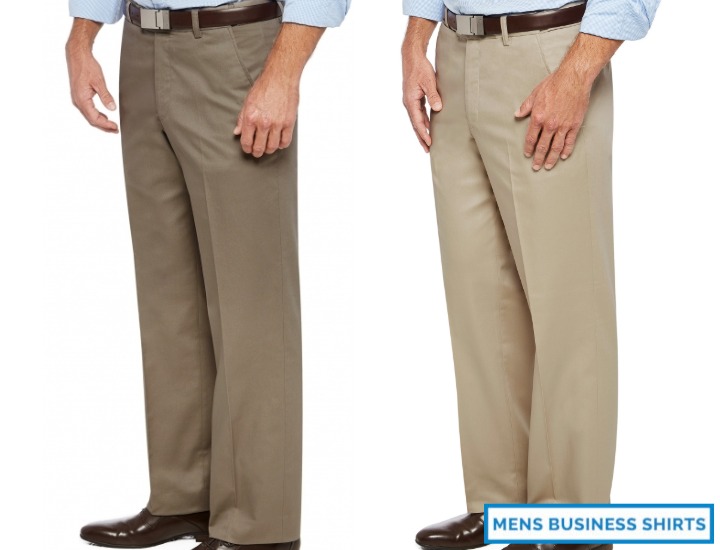
Features of Cotton Blend Trousers
- Cotton blended with polyester and elastane provides a good amount of stretch, providing the ultimate comfort required for long working hours at the office.
- Cotton blend trousers offer a good level of breathability, allowing air to circulate freely, thereby keeping the body cool during the hot days.ens
- These trousers come in various styles like flat-front, single pleat, double pleat, etc., making them versatile for many occasions.
- They are easy to care for, making them a practical option for everyday wear.
Disadvantages of Cotton Blend Trousers
- The cotton present in these trousers is prone to wrinkling, which in turn adds to the requirement of frequent ironing to maintain a polished, formal look.
- These trousers are also prone to shrinkage and fading if the percentage of cotton is high.
Perfect for: Formal meetings, conferences, and boardroom meetings.
4. Polyester 100%
Polyester is one of the most popular synthetic fibres used in the manufacture of dress pants for its durability and low maintenance. As it gives the same feel and look of natural fibres, it is mostly preferred by men who want a sharp look, without investing much.
Pure Polyester
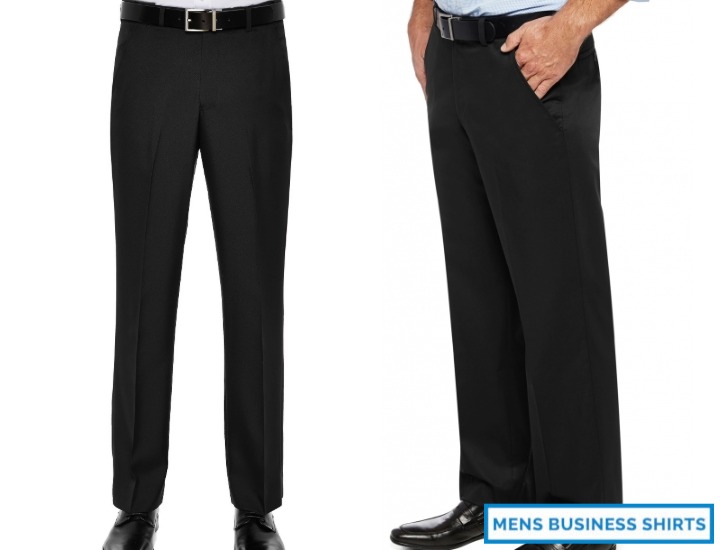
Why are polyester trousers mostly preferred by men?
- Polyester trousers have a soft and smooth texture with high durability and quick-drying properties, ideal for men who need trousers that can withstand the wear and tear.
- These trousers are resistant to shrinkage and colour retention even after multiple washes, ensuring a vibrant appearance.
- These trousers are easy to care for, and they can be worn without ironing, as they offer wrinkle resistance.
- Polyester trousers provide a clean and refined look, making them a must-have trouser option in every man’s formal closet.
Cons of Polyester Trousers
- Poor breathability and air circulation
- Getting rid of oil-based stains can be a major drawback.
- Low-quality polyester can give rise to pilling.
Best suited for: Job interviews, everyday office wear, and business travel.
5. Stretch Blends (Elastane/Spandex/Lycra)
Elastane, also known as spandex, is one of the most popular man-made fibers, known for its elasticity. It is blended with other trouser fabrics like wool, cotton, and polyester for improved stretch and mobility.
Elastane, Lycra, Spandex (typically 1-5% of the total blend)
Characteristics of Elastane Blend Trousers
- Elastane blend trousers give a smooth and soft finish to the entire outfit required for occasions where a polished look is required.
- Though elastane is blended with other fibres in very little amounts, it adds to the breathability of the trousers and provides easy air circulation.
- Elastane blend pants offer enhanced comfort, flexibility, and mobility, making them suitable for long work hours at the office.
- The elastane fabric bounces back to its original shape, which helps in maintaining the shape and fit of the trousers without sagging.
Disadvantages of Elastane Trousers
- Elastane, being highly heat sensitive, can lose its stretch when ironed at high temperatures.
- Trousers with high amounts of elastane in them are not biodegradable, and they pose environmental concerns.
Suitable Occasions: Daily office wear, client meetups, etc.
Check out our City Club flexi-waist trousers that provide a perfect combination of style and comfort in various colors and fits to meet your requirements.
6. Viscose/Rayon
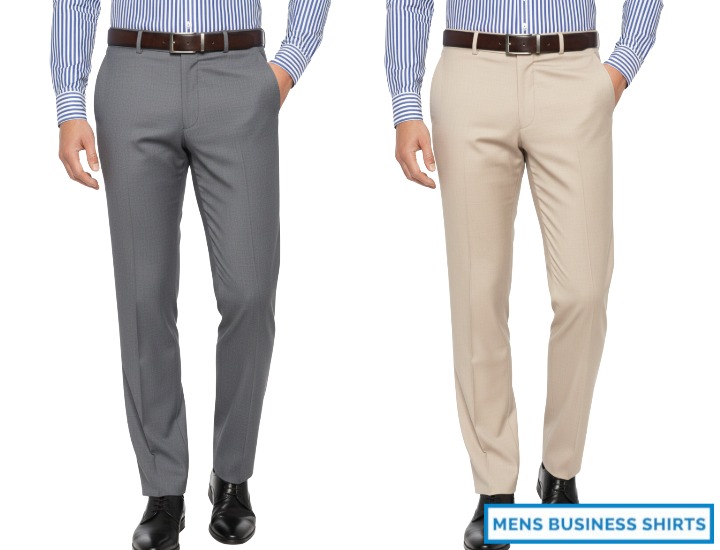
Viscose, a lightweight fabric, known for its smooth feel and lustrous finish, is used to make dress pants suitable for formal events. Since it gives the look of a luxurious fabric, viscose trousers can be a good substitute for the costly natural fibres like wool, silk, etc.
Common Blends: Polyester/Viscose Mix
Ideal Qualities of Viscose trousers
- Viscose trousers are well known for their soft texture, making you feel exceptionally comfortable against the skin.
- These pants offer good durability and breathability, ideal for everyday office wear.
- These pants provide an elegant drape with a slight sheen, along with the comfort required for long days at the office without sacrificing the professional appearance.
- They have high absorbent properties and are wrinkle-resistant, which reduces the need for frequent ironing.
Cons of Viscose Trousers
- When compared to polyester, viscose trousers are more prone to wrinkles and less durable.
- These trousers are at risk of pilling and shrinkage if washed in hot water.
Best suited for: Formal meetups, client meetings, extended travel, etc.
Dress Pants Fabrics Table
| Fabric Type | Primary Fiber | Common Blends | Key Characteristics |
| Wool | Natural | 100% Worsted Wool, Wool/Mohair, Wool/Silk | The gold standard for dress pants. Excellent drape, breathability, and wrinkle resistance. Ideal for formal and business wear. |
| Wool Blend | Natural/Synthetic | Wool/Polyester, Wool/Viscose | Offers the look and feel of wool with added durability, wrinkle resistance, and a lower cost. Polyester is often added for structure and longevity. |
| Cotton Mix | Natural/Synthetic | Cotton/Polyester (Primary) with 2-3% Stretch Blends | More casual than wool, offering a softer feel and excellent breathability. Commonly used in summer dress pants. Twill and Gabardine weaves are popular. |
| Polyester 100% | Synthetic | 100% Polyester | Highly durable, wrinkle-resistant, and cost-effective. Less breathable than natural fibres, but modern blends have improved comfort and are often used in budget or travel-focused dress pants. |
| Stretch Blends | Synthetic | Elastane, Lycra, Spandex (typically 1-5% of the total blend) | Added to any of the above fabrics (Wool, Cotton, Polyester) to provide comfort and ease of movement. Essential for modern, slim-fit trousers. |
| Viscose/Rayon | Semi-Synthetic | Polyester/Viscose Mix | Used as a substitute for wool or silk to improve drape and softness at a lower cost. It is highly absorbent but can be prone to wrinkling and is less durable than polyester. |
Chinos Fabrics
Chinos are defined by their fabric and weave, which is historically a cotton twill. The best options are variations of this core material.
Buying Options: Visit the mens chinos pants page to see the full range of chinos at Mens Business Shirts.
1. Cotton Twill
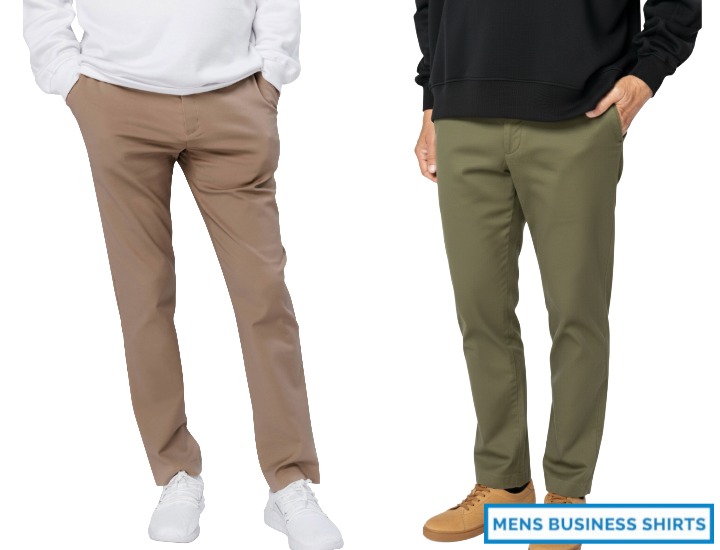
The cotton twill fabric used in the manufacturing of chinos has a slightly diagonal weave, and they provide more comfort when compared to business pants, making them a suitable option for semi-formal and smart-casual settings.
Common Blends: 100% Cotton
What makes Cotton Twill chinos so versatile?
- Chinos made of cotton twill are lightweight, airy, and highly breathable, making them a summer staple.
- As this fabric is prone to wrinkles, it provides a relaxed vibe, ideal for casual outings and date nights.
- They provide a sleek, stylish appeal and can be paired with formal shirts or polos for smart-casual styling.
- These chinos also come in light shades like beige, taupe, and sand, which reflect the sunlight, thereby keeping you cool during the hotter months.
- Cotton twill chinos come in different fits, like slim, regular, and classic, making it easy for men to find the perfect fit.
Drawbacks of Cotton Chinos
- Since these chinos are made of pure cotton, they lack wrinkle resistance, thereby increasing the need for ironing.
- These chinos are more prone to fading, and they soak up the stains easily, making them difficult to remove.
Ideal Occasions: Semi-formal events, formal lunches, dinner dates, day gatherings, etc.
2. Stretch Cotton Twill
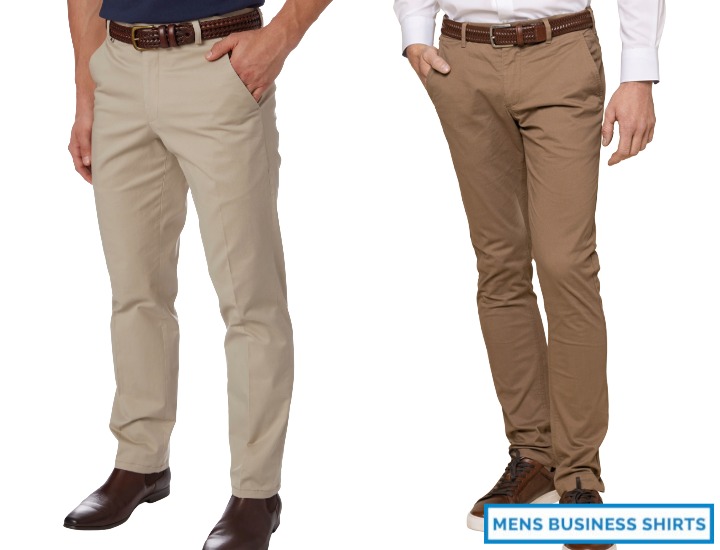
Stretch chinos are made of 97% to 98% cotton, and the remaining 2-3% consists of elastane. This fabric is the same as the above cotton twill but differs in the blend to provide the added stretch and comfort.
Common Blends: Cotton/Elastane (Spandex/Lycra)
Characteristics of Cotton Blend Chinos
- Stretch cotton twill chinos are lightweight, breathable, and help in shape retention, keeping your look sharp throughout the day.
- These chinos have added stretch for comfort and easy movement.
- Also, stretch cotton twill chinos are not more prone to wrinkles than the pure cotton twill chinos, thereby giving a clean, modern appeal.
- These chinos do not have front pleats, creating a refined silhouette that pairs effortlessly with a button-down shirt or a polo shirt.
Downsides of Cotton Blend Chinos
- These chinos offer reduced breathability when compared to the pure cotton twill chinos.
- A little amount of elastane is good for comfort, but too much stretch can lead to sagging of the fabric, thereby losing the fit and crispness of the chinos.
Great for: Business casual work environments, travel, and casual outings.
3. Cotton/Linen Blend
Cotton/linen blend chinos are the ultimate summer piece of clothing that every man should have in his closet to beat the heatwaves. These chinos combine the softness of cotton with the airy properties of linen to create a cool yet sophisticated look.
Common Blends: Cotton/Linen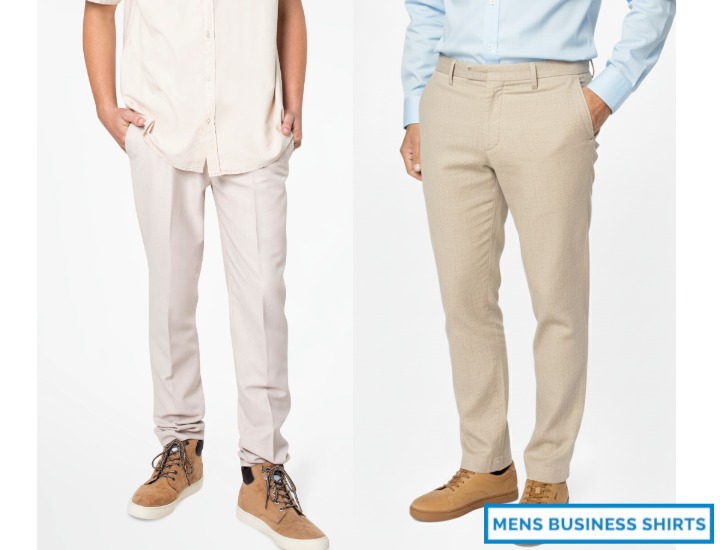
Unique properties of Cotton/Linen blend chinos
- Cotton/linen blend chinos are lightweight, airy, and highly breathable, helping you stay cool during the warmer months.
- Since linen wrinkles very easily, blending it with cotton can help these chinos hold the structure, giving a tailored look rather than looking baggy.
- Since both cotton and linen have hypoallergenic properties, they feel smooth against the skin, making them ideal for sensitive skin.
- Cotton/linen blend chinos dry much faster when compared to pure cotton chinos, helping you stay dry in humid weather.
- The linen fabric present in these chinos provides a slub texture, giving a relaxed look great for casual occasions.
Cons of Cotton/Linen blend chinos
- Since both cotton and linen are prone to shrinkage, washing these chinos in hot water can reduce the size of the pants.
- Both cotton and linen are high-maintenance fabrics, and they require ironing after each wash.
Great for: Summer outings, casual gatherings, and yacht parties.
4. Synthetic Blends
Synthetic blend chinos are the enhanced version of the traditional chinos, designed especially to improve the performance. The regular chinos are blended with synthetic fibres like polyester, nylon, and sometimes elastane for the extra stretch.
Common Blends: Cotton/Polyester, Cotton/Nylon
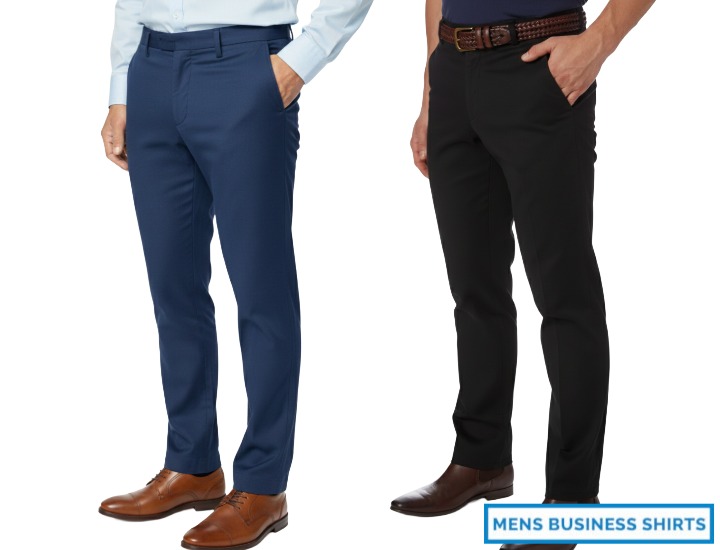
Key elements of Synthetic blend chinos
- The synthetic fibres present in these chinos reinforce the cotton fibres, making them resistant to regular wear and tear.
- While cotton fabric fades easily after multiple washes, the addition of synthetic fibres can increase the durability and retain colour over a long period of time.
- Synthetic blend chinos resist creases and wrinkles, making them ideal for travel.
- These trousers dry quickly and do not require frequent ironing, making them a low-maintenance option, great for busy professionals who do not want to spend extra time on laundry care.
Cons of Synthetic Blend chinos
- Reduced breathability due to the presence of synthetic fibres like nylon and polyester.
- The synthetic fibres tend to hold on to the sweat and bad odour for long hours, making them less suitable for very hot days.
Ideal for: Active days, long commutes.
Chinos Fabrics Table
| Fabric Type | Primary Fiber | Common Blends | Key Characteristics |
| Cotton Twill | Natural | 100% Cotton | The traditional and most common fabric for chinos. Durable, breathable, and develops a soft, comfortable feel over time. The twill weave gives it a characteristic diagonal ribbing. |
| Stretch Cotton Twill | Natural/Synthetic | Cotton/Elastane (Spandex/Lycra) | The modern standard. The addition of 1-3% stretch fibre provides flexibility and comfort without sacrificing the classic cotton look and feel. Excellent for all-day wear. |
| Cotton/Linen Blend | Natural | Cotton/Linen | A lightweight, highly breathable option perfect for warm weather. Linen adds a textured, slightly slubby look and a crisp hand-feel, though it wrinkles more easily. |
| Synthetic Blends | Synthetic | Cotton/Polyester, Cotton/Nylon | Used to increase durability, reduce wrinkling, and speed up drying time. Often found in performance or travel chinos. |
Jeans Fabrics
Jeans are synonymous with denim, which is a specific type of cotton twill. The variations primarily come from the cotton content, the addition of stretch, and the finishing process.
1. 100% Cotton Denim
Denim is a sturdy cotton fabric woven with a diagonal twill pattern for enhanced durability. It molds to your body shape over time, thereby creating a personalised fit.
Common Blends: 100% Cotton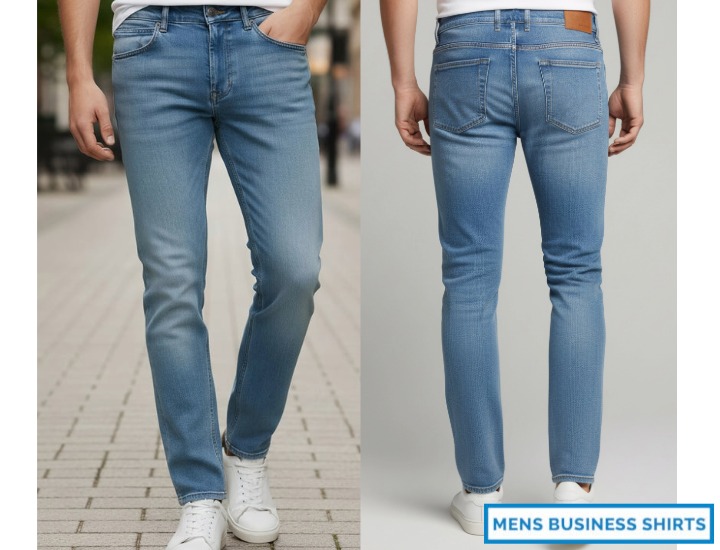
Characteristics of jeans made of Denim
- Pure cotton denim jeans give a rugged feel, and they offer a good level of breathability, making them suitable for warmer months.
- These pants are the preferred choice for a classic look and long-lasting durability.
- They offer a perfect balance of comfort and stylish appeal, making them an essential clothing piece in any man’s wardrobe.
- These jeans are so versatile that they can be easily transitioned from smart casual to a laid-back look effortlessly.
- These traditional jeans can be somewhat sturdy at first, but they soften after each wash.
Downsides of Denim Jeans
- Since denim is a dense fabric, it takes an extremely long drying time compared to other pants.
- Due to their heavy weight and tightly woven twill weave, these jeans can make you feel very hot in high temperatures.
Great for: Casual outings, nights out, dinner, winter styling, etc.
2. Stretch Denim
Stretch denim jeans are obtained by blending elastane with other synthetic fibres into denim to provide comfort and ease of movement. They are typically made of 98% cotton denim and 2% elastane.
Common Blends: Cotton/Elastane (Spandex/Lycra)
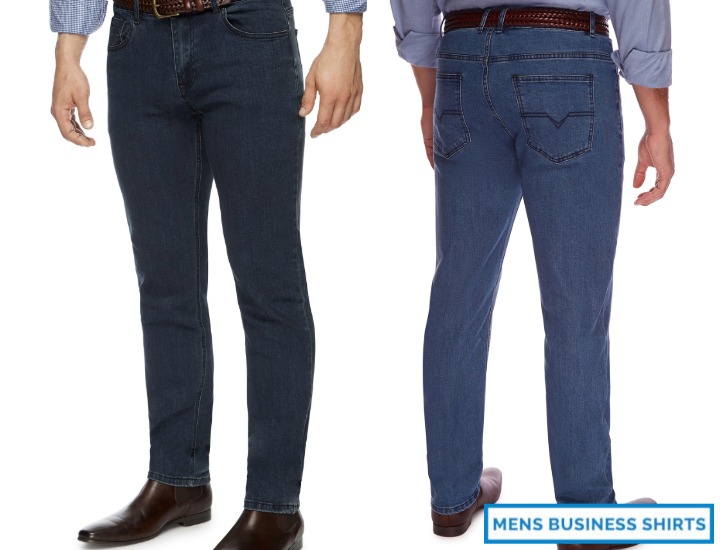
Features of Stretch Denim:
- Stretch denim jeans offer a soft texture unlike the regular denims that give a rugged look.
- They conform to the shape of your body, thus giving a smart, sleek appearance.
- These jeans are so versatile that they are available in various fits like slim, skinny, and straight-leg and different washes, from dark to light, and can be dressed up or down depending upon the occasion.
Disadvantages of Stretch Denim jeans
- This fabric can lose the stretch over time if the amount of elastane mixed is high.
- Regular washing can lead to loss of the original grained texture.
Ideal for: Active social outings, casual weekends.
3. Selvedge Denim
Selvedge denim differs from the traditional denims in the way the denim is woven. These jeans are woven on narrow shuttle looms to produce a self-finished, clean edge.
You can easily identify selvedge denim by looking at the inner fabric of the outseam.
Common Blends: 100% Cotton (often raw)
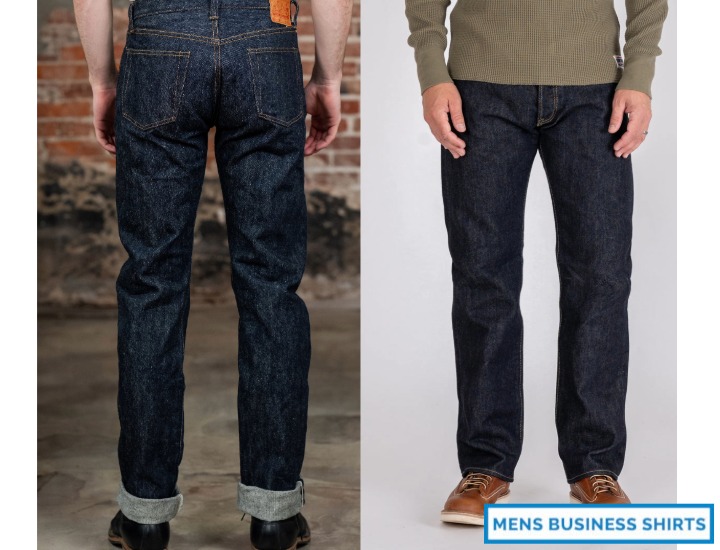
Key elements of Selvedge Denim
- Selvedge denims have slight irregularities known as “slubs,” which give the pants a unique three-dimensional texture that is not found in the other denims.
- When the pants are rolled, white edge lines are visible on the inside seam, serving as a hallmark of premium quality.
- Since these jeans are crafted on old machinery, which uses a slow weaving process, they are denser and more durable when compared to other denims.
Cons of Selvedge Denim Jeans
- More expensive when compared to mass-produced denim.
- Since these jeans are made of 100% cotton denim fabric, they lack stretch, thereby restricting easy movement.
Suitable for: Low-activity social events like dinner dates and coffee meetups.
4. Poly-Blended Denim
As the name suggests, the denim fabric is blended with fair amounts of polyester to balance the traditional style and improve the performance. These jeans are basically a modern version of the classic jeans but are more resilient than pure cotton denim.
Common Blends: Cotton/Polyester/Rayon
Characteristics of Poly-Blended Denim
- Poly-blended denims offer high resistance to wrinkles, ensuring you get a smooth and crisp look even after a long day’s wear.
- The polyester present in this fabric reinforces the cotton, thereby making it more durable for daily wear and tear.
- These pants have good moisture-wicking properties and also dry quickly, making them a practical option for humid weather.
Cons of Poly-Blended Denim Jeans
- Reduced breathability when compared to pure cotton denims.
- May be prone to pilling in high-friction areas over time.
Best suited for: Business travel, weekend getaways.
5. Denim-Linen Blend
Denim-linen blend jeans are more like the summer version of the regular jeans. This fabric combines the rugged look of denim with the smooth drape of linen.
Common Blends: Cotton/Linen
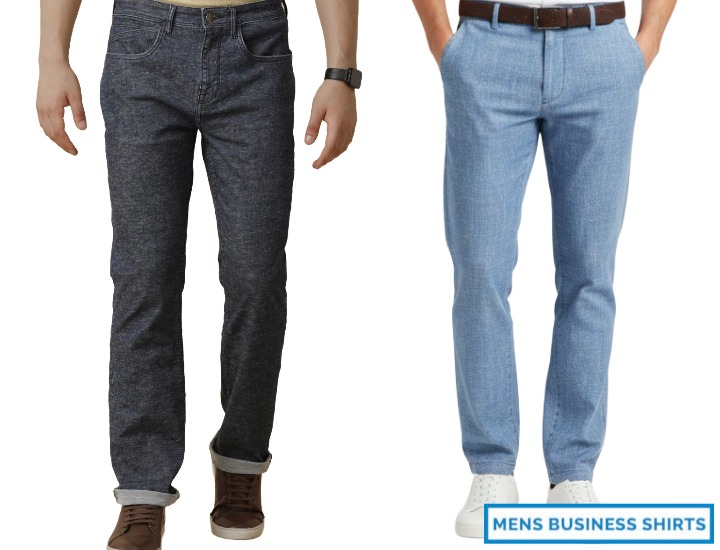
Why are denim-linen blend jeans great for summers?
- These jeans offer a flowy drape that is airy and breathable.
- Linen’s high moisture-wicking properties can make you feel comfortable in the hot weather.
- These jeans are lightweight when compared to the traditional jeans.
Drawbacks of Denim-Linen Blend Jeans
- These jeans have low abrasion resistance due to the presence of linen, thereby reducing durability.
- Since linen has less elasticity when compared to cotton, these jeans may lose their shape after multiple washes.
Ideal for: Vacations, resort wear, summer garden parties, etc.
Jeans Fabrics Table
| Fabric Type | Primary Fiber | Common Blends | Key Characteristics |
| 100% Cotton Denim | Natural | 100% Cotton | The original, classic denim. Highly durable, stiff initially, but moulds to the wearer’s body over time. Favoured by denim purists for its ability to develop unique fades and character (patina). |
| Stretch Denim | Natural/Synthetic | Cotton/Elastane (Spandex/Lycra) | The most popular modern choice. The addition of 1-5% stretch fibre provides comfort and flexibility, making them easier to wear right off the rack. Sacrifices some of the rigid, traditional feel. |
| Selvedge Denim | Natural | 100% Cotton (often raw) | Refers to the finished edge of the fabric, typically woven on old-school shuttle looms. It is a mark of high quality and durability, often associated with premium, raw denim. |
| Poly-Blended Denim | Natural/Synthetic | Cotton/Polyester/Rayon | Used to create a softer, lighter-weight, and more affordable denim. Polyester adds durability and wrinkle resistance, while rayon can improve drape and softness. |
| Denim-Linen Blend | Natural | Cotton/Linen | A lighter-weight, more breathable denim alternative for summer. Offers the look of denim with the cool, airy feel of linen. |
